If you read enough personal finance books you’re bound to come across the parable about the businessman and the fisherman.
I’ve certainly read the story numerous times.
It goes something like this:
An American businessman is vacationing in a small coastal village in Mexico when he meets a fisherman returning to shore with a few large fish.
The businessman compliments him on his catch and asks how long it took.
“Not that long,” the fisherman replies.
“Why don’t you stay out longer and catch more fish?” the businessman asks.
The fisherman explains that he has enough fish to feed and support his family.
“But what do you do with the rest of your time?”
“I sleep late, fish a little, play with my children, take a siesta with my wife, and stroll into the village at night where I sip wine and play guitar with my friends. I have a happy life.”
“You’re thinking too small,” says the well-educated businessman. “You should spend more time fishing, buy a bigger boat, and use the profits to buy even more boats.”
“And then what?” asks the fisherman.
“Eventually, you could own an entire fleet. Expand internationally. Sky’s the limit.”
“How long would all this take?” asks the fisherman.
“Maybe 15 to 20 years.”
“And then what?”
“You would make millions! Then you could retire to the beach, spend time with your family, do whatever you want.”
“But isn’t that what I’m doing already?”
And the lesson, of course, is that you don’t necessarily need tons of money to do the things that make you happy.
You can enjoy life now.
It’s an imperfect example but it makes a good point.
George Clooney had this kind of realization in real life.
In the early-2000s Clooney struck it big with his role on ER. On a motorcycle trip to the Italian Alps during a break in his filming schedule, Clooney stopped by a small town on Lake Como to visit some friends.1
After lunch, he took off but his bike broke down. This was pre-cell phone days so Clooney knocked on the door of the nearest house which happened to be a lovely estate on the water.
It was owned by a member of the Heinz ketchup family. Heinz was eating pizza by the pool and invited Clooney in to relax while he waited for some help.
By the end of the day, Heinz asked the actor if he would like to buy the lakeside estate.
Clooney thought this was ridiculous. He was making good money at the time but not ketchup magnate money. Heinz assumed he was playing hardball so he lowered the offer a few weeks later.
Clooney thought, what the hell, and decided to buy it. Why not? He figured he would sell the home within a year to turn a quick profit.
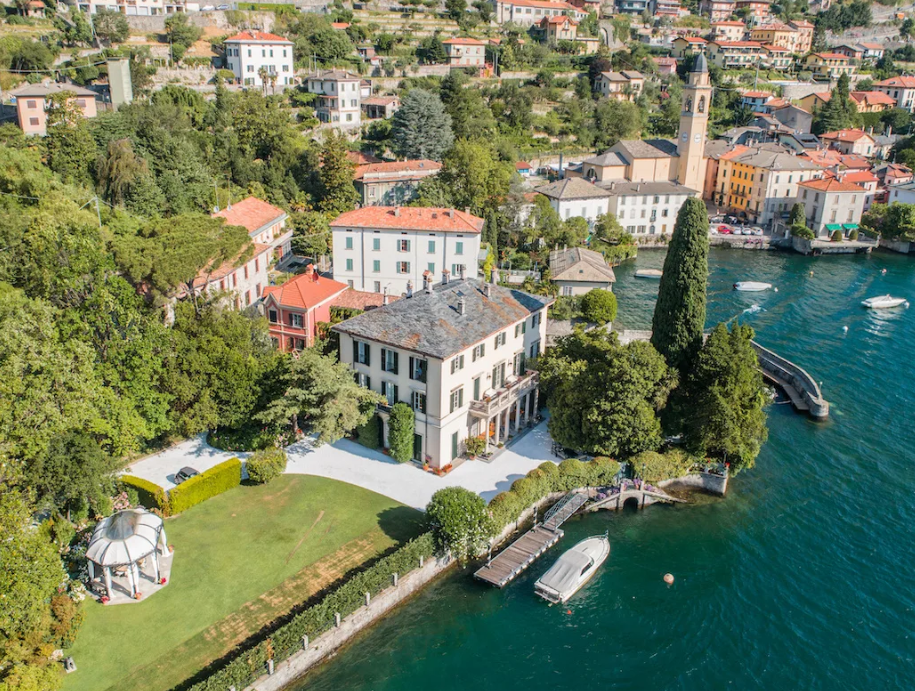
After moving in Clooney was sitting alone by the pool. In an interview with Esquire he described what happened next:
He looked out the window that first evening and saw a few construction workers walking home after work, orange vests, bellies sticking out, hard hats cocked on their heads. They pulled hunks off a loaf of bread and passed a bottle of wine as they walked, and they were singing.
Singing!
Clooney, who was making the leap from being pretty famous to being an international A-list actor–The Perfect Storm had been a hit, and Ocean’s Eleven was an even bigger one–thought to himself, Those guys are living their lives better than I am. Way better than I am.
He was always in such a hurry to be a success that he’d been eating dinner standing up for as long as he could remember. And then these guys–not much money, doing hard labor all day, and they’re celebrating another night walking home.
He thought, I’m never going to leave this house.
Clooney still has the house.
In many ways he put Lake Como on the map as a tourist destination. Housing prices rose after people found out about his new vacation spot.
Obviously, once he become a bona fide movie star he would have been fine either way.
But it’s not just the money side of the equation that matters here.
I noticed the exact same thing Clooney saw on my trip last week about the Italian people I interacted with.
The people were happy and smiling, much like the construction workers Clooney witnessed from his pool.
They have a slower, less frantic way of life. They enjoy their meals. They walk more. They spend time talking with friends and family over coffee or wine.
Sure, they don’t create trillion tech companies in Europe like we do here in America. But I think they have life figured out more than we do.
Money can offer comfort and convenience.
But you don’t need a certain amount of money to enjoy your life.
Also, I took a day trip to Lake Como last week.
That Clooney guy has a good eye for destinations.
It was beautiful.
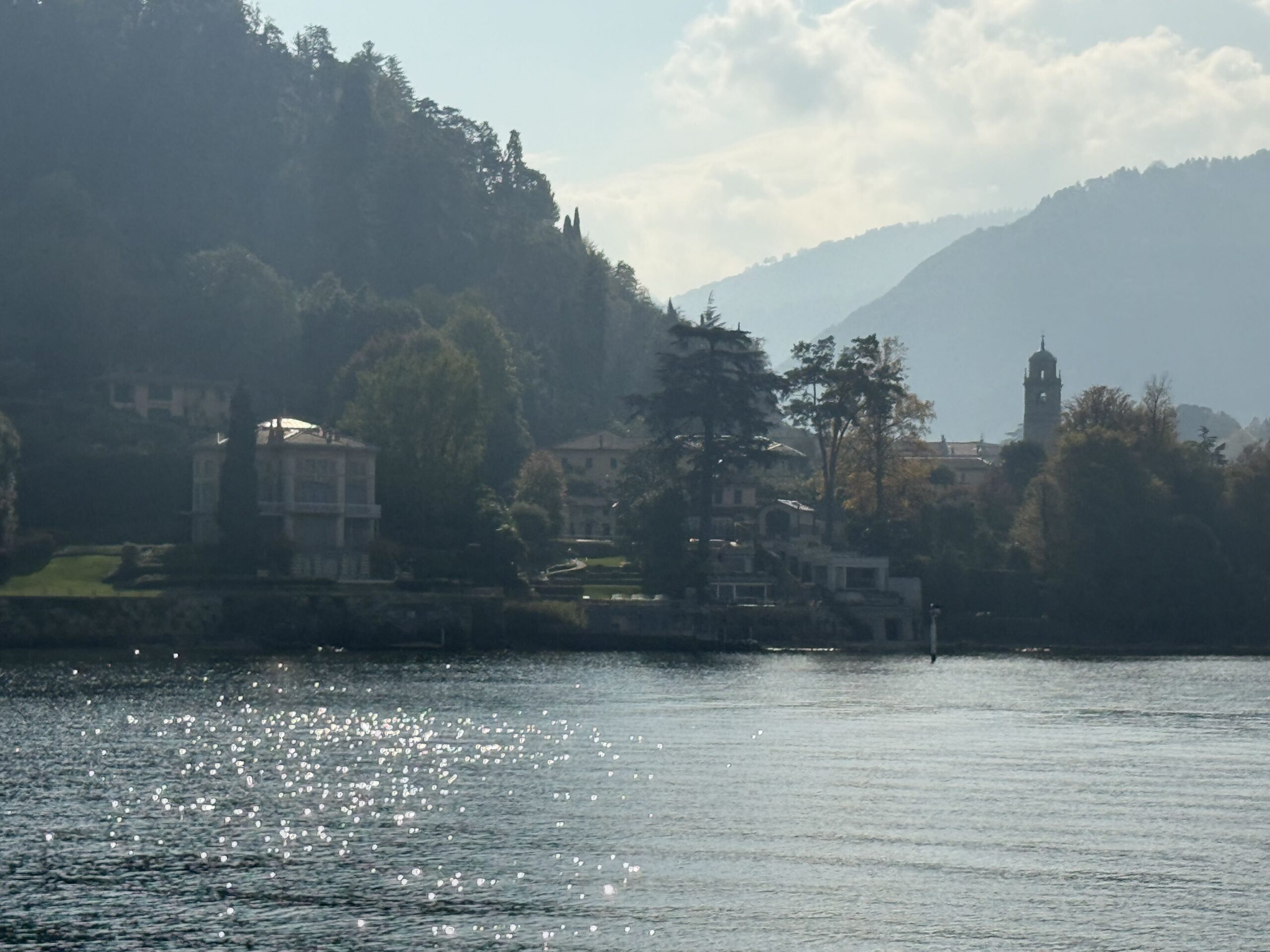
Michael and I talked about my trip to Italy, the Italian way of life and much more on this week’s Animal Spirits video:
Subscribe to The Compound so you never miss an episode.
Further Reading:
How Rich Are You?
Now here’s what I’ve been reading lately:
- The retirement that never starts (Dan Haylett)
- Why haven’t there been more financial crises? (Deutsche Bank)
- What caused the sell off last week? (Big Picture)
- The tech bubble (Chart Kid Matt)
- The purpose of money (Root of All)
- What did Jensen do? (The Ringer)
Books:
1One of them was the actor Gregory Peck.